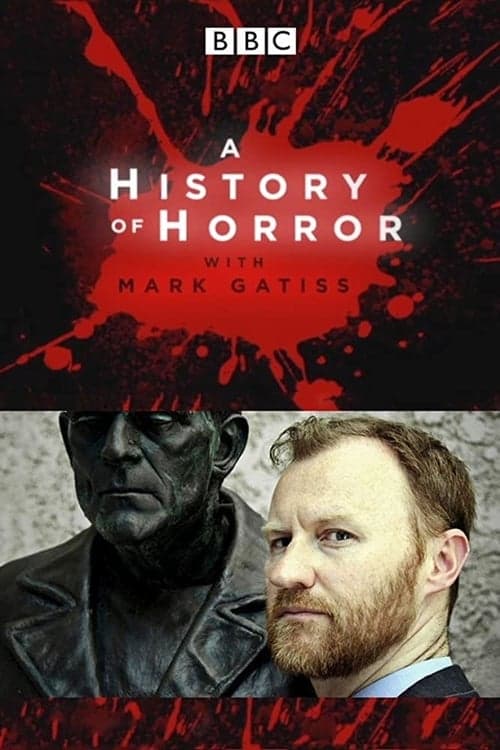
A History of Horror
Mark Gatiss examines the history of the horror film, from classic Hollywood monsters to Hammer's glory days and beyond.
Episodes

Frankenstein Goes to Hollywood
A lifelong fan of the genre, Mark begins by exploring the golden age of Hollywood horror. From the late 1920s until the 1940s, a succession of classic pictures and unforgettable actors defined the horror genre - including The Phantom of the Opera starring Lon Chaney, Dracula with Bela Lugosi, and Frankenstein starring Boris Karloff. Along the way, Mark steps into some of the great sets from these classic films, hears first-hand accounts from Hollywood horror veterans, discovers Lon Chaney's head in a box and finds out why Bela Lugosi met his match in Golders Green.
Home Counties Horror
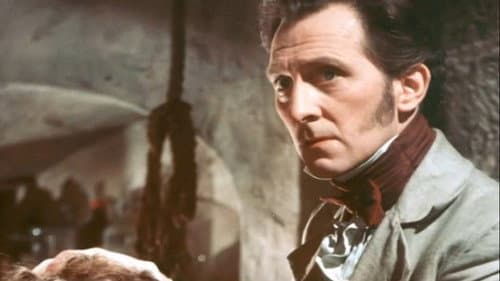
Mark uncovers stories behind the films of his favourite period - the 1950s and 60s - which fired his lifelong enthusiasm for horror. These mainly British pictures were dominated by the legendary Hammer Films, who rewrote the horror rulebook with a revolutionary infusion of sex and full-colour gore - all shot in the English Home Counties.

The American Scream
Mark explores the explosion of American films of the late 1960s and 70s which dragged horror kicking and screaming into the present day. With their contemporary settings and uncompromising content, films like Night of the Living Dead and The Texas Chain Saw Massacre remain controversial. But Mark argues that these films - often regarded as only being for hardcore fans with strong stomachs - have much to offer. Made by pioneering independent filmmakers, they reflected the social upheavals of American society and brought fresh energy and imagination to the genre. Mark gets the inside story from a roster of leading horror directors, including George A Romero, whose Night of the Living Dead and Dawn of the Dead turned zombies into A-list monsters; Tobe Hooper, director of the notorious Texas Chain Saw Massacre; and John Carpenter, whose smash hit Halloween triggered the slasher movie boom. Mark also celebrates the other great horror trend of the era - a string of satanically-themed Hollywood blockbusters, including Rosemary's Baby, The Exorcist and The Omen. Along the way Mark visits the Bates Motel, gets mobbed by zombies and finds out what happened to Omen star David Warner's decapitated head.
About A History of Horror
- Cast
- Mark Gatiss, John Carpenter, Roger Corman, Tobe Hooper, George A. Romero, Barbara Steele
- Genres
- Documentary
- Content rating
- TV-MA
- Original language
- English
- Production countries
- United Kingdom
- Status
- Ended
More Like This
Pee-wee as Himself
2025 · Series
A kaleidoscopic portrait told in two parts tracing the life of the imaginative artist.
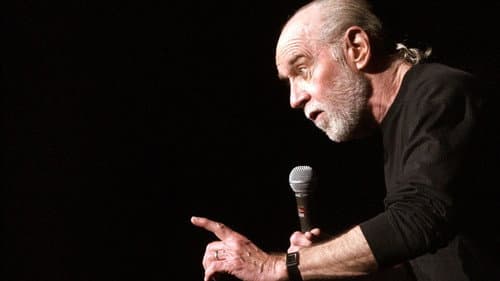
George Carlin's American Dream
2022 · Series
A look at the life and work of legendary comedian George Carlin.

Eli Roth's History of Horror
2018 · Series
An in-depth look at the history and pop cultural significance of horror films.
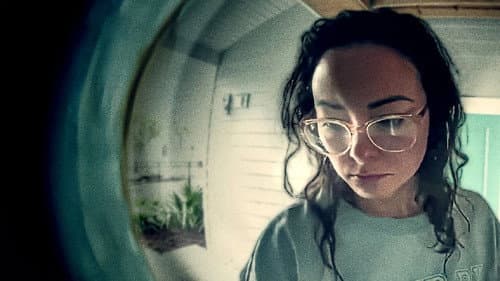
Death of the Pastor's Wife
2026 · Series
What happened to Mica Miller? This documentary series retraces her promising life, toxic marriage and the mysterious circumstances of her death.
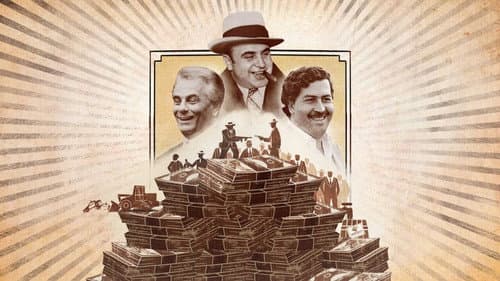
How to Become a Mob Boss
2023 · Series
This darkly satirical how-to guide explores the rise and fall of history's most notorious mob bosses and their tactics for success.

Killer Sally
2022 · Series
Interviews with friends, family and Sally McNeil herself chart a bodybuilding couple’s rocky marriage — and its shocking end in a Valentine's Day murder.
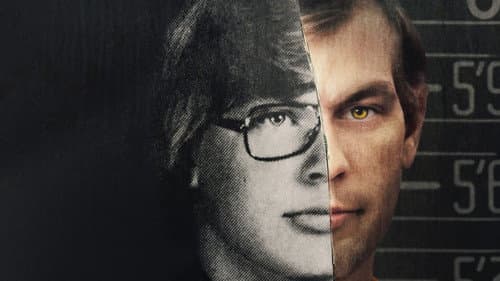
Conversations with a Killer: The Jeffrey Dahmer Tapes
2022 · Series
Serial killer Jeffrey Dahmer confesses to his gruesome crimes in unguarded interviews, offering an unsettling view into a disturbed mind.

The Most Hated Man on the Internet
2022 · Series
Determined to remove her daughter's photos from a revenge porn website, a persistent mother launches an online crusade to shut down its cruel founder.

World War II with Tom Hanks
2026 · Series
Explores WWII from Germany's invasion of Poland through the atomic age, examining pivotal battles, wartime leaders like Churchill and Roosevelt, and the human cost of total war.